English
The P1.9 pixel pitch sits in a sweet spot. It delivers near-4K resolution at a viewing distance of 2–6 meters, making it ideal for indoor commercial installations — think corporate lobbies, control rooms, retail flagship stores, and event venues. Unlike P2.5 or P3.91 options, the 1.9mm pitch gives you noticeably sharper text and imagery without the premium price tag of sub-1.5mm fine-pitch panels.
Here's what makes P1.9 specifically attractive for wholesale buyers:
Pixel density of ~270,000 pixels/m² — crisp enough for detailed graphics and live camera feeds
Compatible with standard 500×500mm and 500×1000mm cabinets — easy to scale to any wall size
16:9 native aspect ratio on most models — seamless content playback without black bars
Price-to-performance ratio — significantly cheaper than P1.5 or P1.2 while still delivering premium visual quality
I personally recommend P1.9 for any project where viewers will be 2+ meters from the screen. Closer than that? Consider P1.5 or below. But for most commercial applications, P1.9 hits the mark.
Not all factories are created equal. After vetting dozens of suppliers, here's the framework I use to separate serious manufacturers from trading companies pretending to be factories.
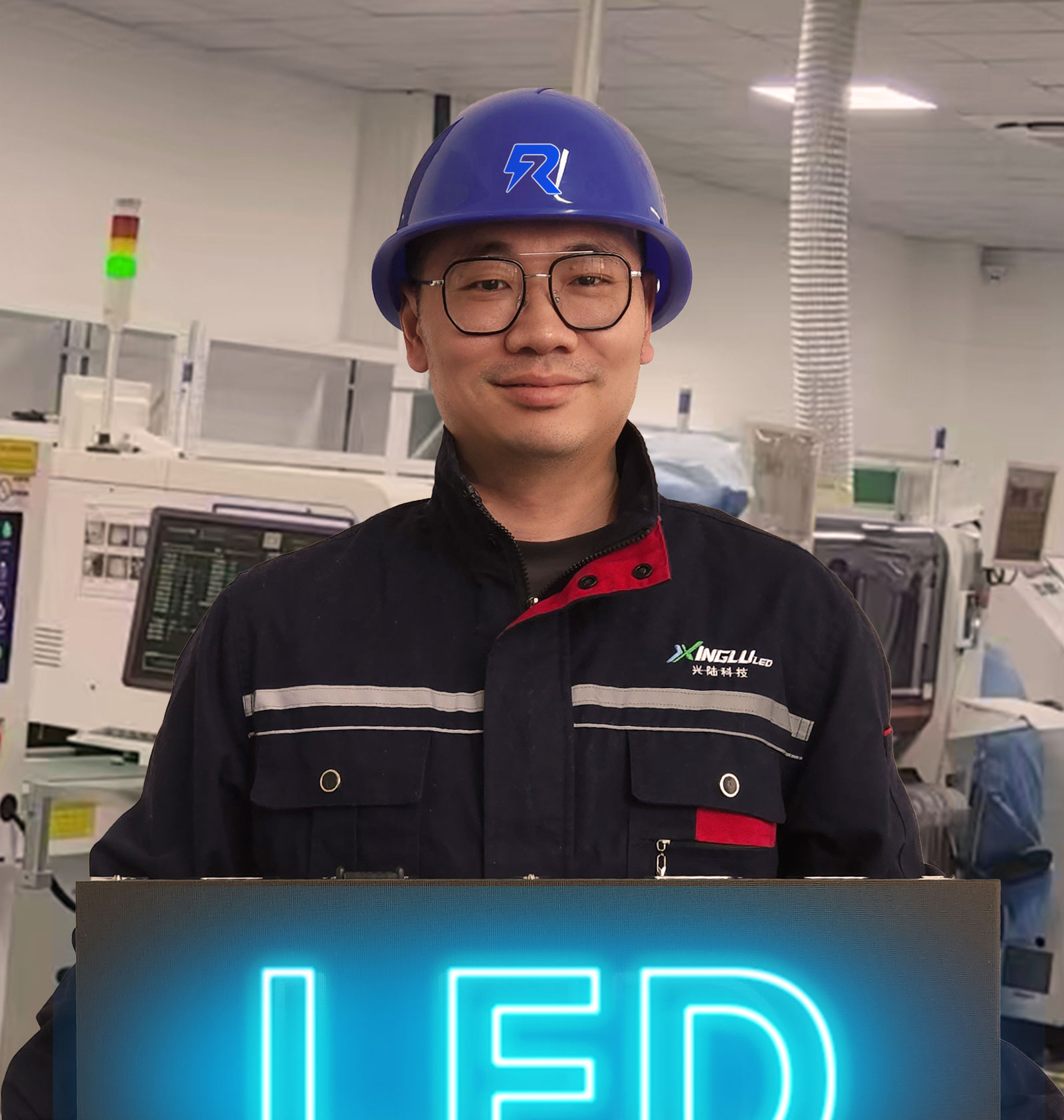
A genuine manufacturer will have their own SMT (Surface Mount Technology) production lines, aging test rooms, and quality control labs. Ask for a virtual factory tour if you can't visit in person. Key things to verify:
In-house SMT lines (not outsourced to third parties)
Aging test capacity — panels should be burned in for at least 48–72 hours before shipping
Monthly production capacity — look for 2,000+ sqm/month for reliable bulk supply
R&D team size — a factory investing in R&D will have better product consistency
Don't just accept "CE certified" at face value. Dig deeper:
| Certification | What It Covers | Why It Matters |
|---|---|---|
| CE (EMC + LVD) | Electromagnetic compatibility & low voltage safety | Required for EU market entry |
| ETL/UL | North American safety standards | Mandatory for US/Canada installations |
| FCC Part 15 | Electromagnetic interference limits | Required for US market |
| RoHS | Hazardous substance restrictions | Environmental compliance |
| ISO 9001 | Quality management systems | Indicates consistent production standards |
A manufacturer holding ETL + CE + FCC + RoHS covers virtually every major market. If they only have CE, that's a red flag for North American projects.
The two most critical components inside every P1.9 panel are the LED chips and the driver ICs. Here's what I look for:
LED chips: Nationstar, Kinglight, or Silan are the tier-1 Chinese brands. Cree and Epistar are premium options. Avoid unbranded chips — they degrade faster and cause color inconsistency over time.
Driver ICs: Macroblock (MBI series), Chipone, or Sunmoon are reputable. The driver IC directly affects refresh rate, grayscale performance, and low-brightness color accuracy.
I've seen panels that looked identical on spec sheets but performed completely differently after 12 months because one used premium chips and the other cut corners. This is where your due diligence pays off.
Let me be transparent about pricing because this is where most buyers get taken advantage of. Here's a realistic pricing framework for P1.9 LED video wall panels based on current market conditions:
| Order Volume | Price Range (per sqm) | Typical Cabinet Config |
|---|---|---|
| 1–10 sqm | $1,200–$1,800 | 500×500mm die-cast aluminum |
| 10–50 sqm | $900–$1,300 | 500×500mm or 500×1000mm |
| 50–200 sqm | $700–$1,000 | Custom cabinet sizes available |
| 200+ sqm | $550–$800 | Full customization, dedicated production line |
A few things that affect pricing:
Cabinet material: Die-cast aluminum costs 15–20% more than steel but is lighter and more precise for seamless splicing
LED chip brand: Nationstar chips add roughly $50–$80/sqm over generic alternatives
Refresh rate: 3840Hz refresh rate panels cost about 10% more than 1920Hz versions
Front vs. rear service: Front-maintenance designs are pricier but save on installation space
When a supplier quotes you significantly below these ranges, be cautious. Extremely low prices usually mean recycled LED chips, no aging tests, or inflated brightness claims that fade within months.
China dominates global LED display manufacturing, and within China, Shenzhen is ground zero. Here's a quick geographic breakdown:
Home to over 60% of the world's LED display manufacturers. The supply chain ecosystem here is unmatched — from LED chip suppliers to cabinet fabrication to control system integration, everything is within a 50km radius. Major players include companies supplying Christie, Unilumin, and Absen.
Xiamen, Fujian — Strong in LED chip manufacturing (Sanan Optoelectronics is based here)
Shanghai/Jiangsu — More focused on high-end commercial display integration
Dongguan, Guangdong — Growing hub for LED cabinet assembly and die-casting
For wholesale buyers, Shenzhen-based manufacturers offer the best combination of price, quality, and supply chain reliability. The competition is fierce, which drives innovation and keeps pricing competitive.
When you're evaluating quotes from different wholesale P1.9 LED video wall manufacturers, use this comparison checklist:
| Specification | Minimum Acceptable | Recommended |
|---|---|---|
| Pixel Pitch | 1.9mm (±0.05mm) | 1.9mm (±0.02mm) |
| Pixel Density | 270,000 pixels/m² | 276,676 pixels/m² |
| Brightness | 600 nits | 800–1,200 nits |
| Refresh Rate | 1,920 Hz | 3,840 Hz |
| Contrast Ratio | 3,000:1 | 5,000:1 or higher |
| Viewing Angle | 140°H / 140°V | 160°H / 160°V |
| Cabinet Weight | Under 8 kg (500×500mm) | Under 6.5 kg |
| IP Rating | IP31 (indoor) | IP43 for high-traffic areas |
| Lifespan | 50,000 hours | 100,000 hours |
| Power Consumption | Under 650W/sqm (max) | Under 250W/sqm (average) |
I've watched countless buyers fall into these traps. Let me save you the headache.
The cheapest quote is rarely the best deal. I once worked with a client who went with the lowest bidder and received panels with 40% brightness degradation within 8 months. The replacement cost was 3x the original savings. Always calculate total cost of ownership, not just unit price.
When you order P1.9 panels in batches, different production runs can have slight color temperature variations. This creates visible "patches" on large video walls. Solution: Order your entire project quantity in a single production batch, or request that the factory bin-match all LED chips to within ±50K color temperature.
Never place a bulk order without testing at least one cabinet first. A sample panel lets you verify brightness, color accuracy, build quality, and dead pixel rates. Most reputable manufacturers will send a sample for $200–$400, which is credited toward your bulk order.
LED panels will need maintenance eventually. Ask about:
Spare module availability (can you get replacements in 3–5 years?)
Remote diagnostics capability
Local service partners in your region
Firmware update policies
The beauty of P1.9 panels is their modularity, but proper installation is critical for a seamless final result.
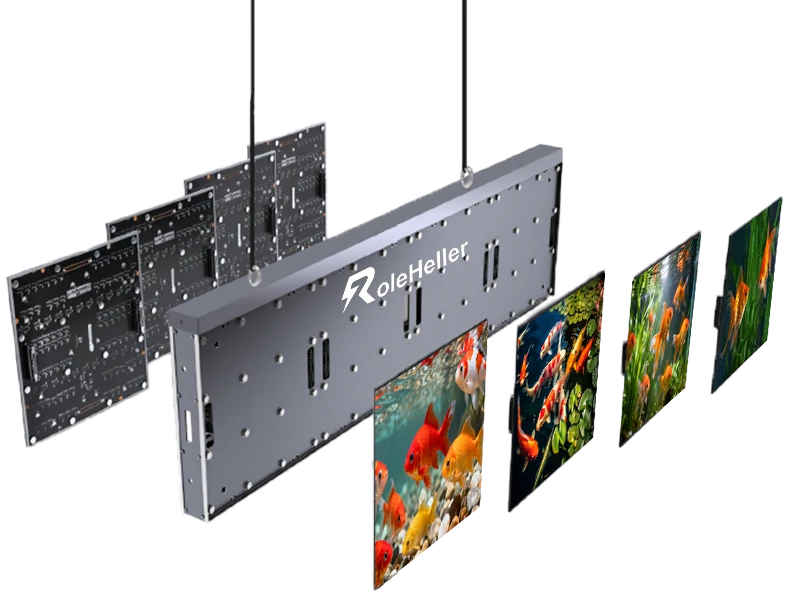
Weight load: Die-cast aluminum cabinets weigh 5.8–7.5 kg each. For a 3×4 wall (12 panels at 500×500mm), that's roughly 70–90 kg plus mounting hardware. Ensure your wall structure can handle this.
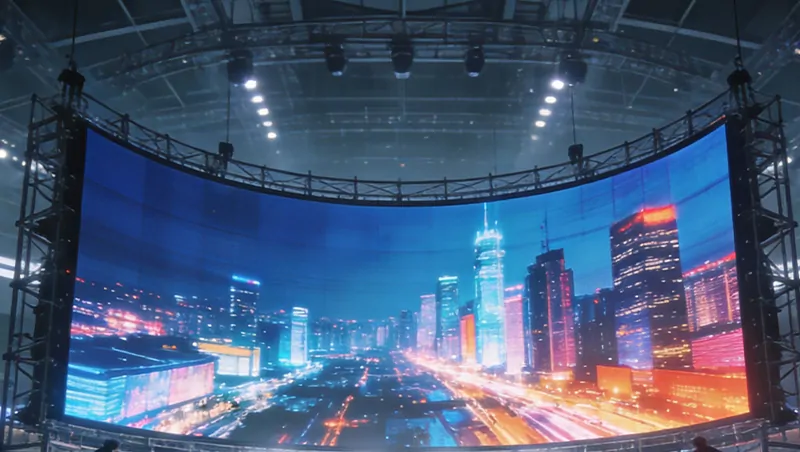
Mounting options: Wall-mounted (most common), hanging/truss-mounted (for events), or floor-standing with custom frames.
Depth clearance: Front-service panels need only 80–100mm depth from the wall. Rear-service designs require 400–600mm.
After physical installation, you'll need:
Color calibration across all panels for uniform brightness and white balance
Content management system — NovaStar, Colorlight, or Linsn are the most common control systems
Video processor — for scaling content to the exact resolution of your video wall configuration
I personally recommend NovaStar's MCTRL4K or VX600 processors for P1.9 installations. They handle 4K input signals beautifully and offer per-panel color correction.
Here's my personal vetting process when I'm evaluating a new wholesale P1.9 LED video wall manufacturer:
Request a factory video call — Ask to see the SMT line, aging room, and QC station in real time. If they hesitate, that's a warning sign.
Ask for third-party test reports — Independent lab reports from SGS, TÜV, or Intertek carry more weight than self-issued certificates.
Check their export history — A manufacturer exporting to North America and Europe regularly will be familiar with compliance requirements and packaging standards.
Request references — Ask for 2–3 recent clients in your region and actually contact them. Real manufacturers are happy to provide references.
Verify business licenses — Check their registration on China's National Enterprise Credit Information system or use third-party verification services like QCC or Tianyancha.
This is a question I get asked constantly. The answer depends entirely on your use case.
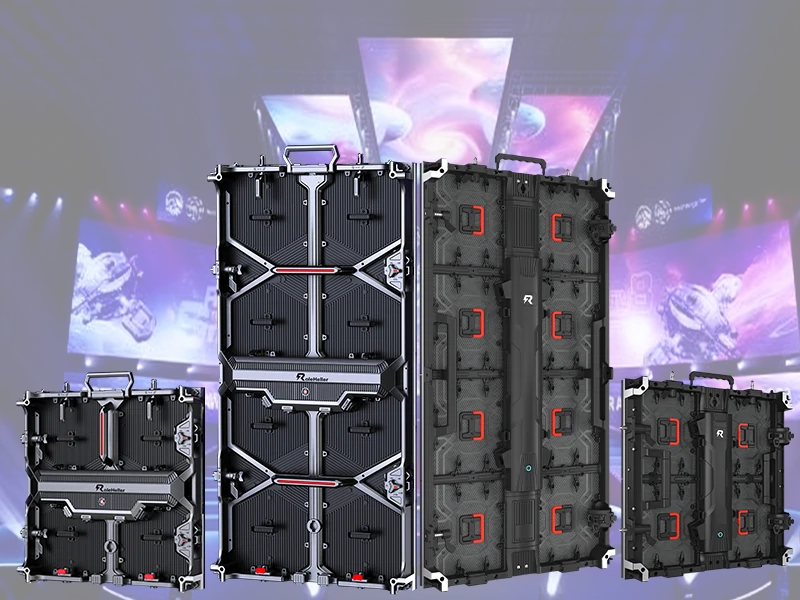
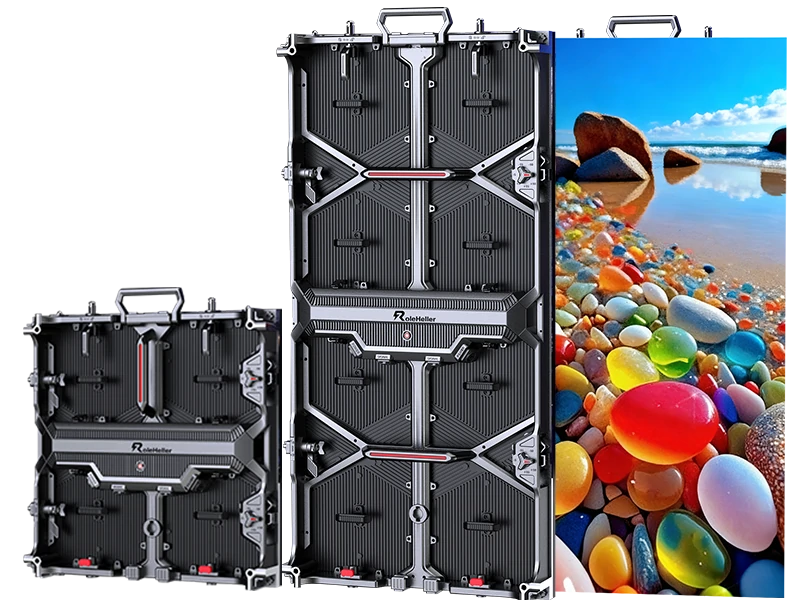
Die-cast aluminum cabinets with quick-lock mechanisms
Lightweight design (5.5–7 kg per 500×500mm cabinet)
Curved capability — most rental cabinets support ±15° angle adjustment
Flight case packaging for repeated transport
Higher price per sqm but designed for 500+ setup/teardown cycles
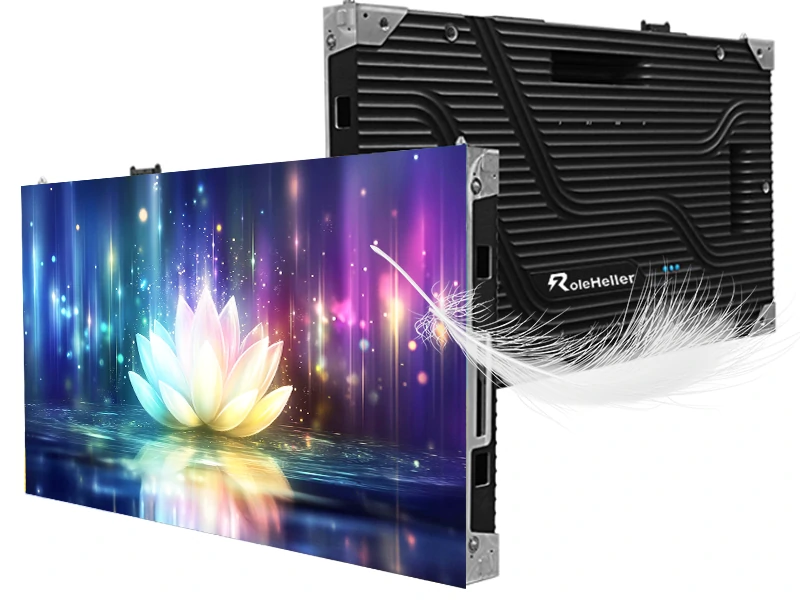
Slimmer profile — can be as thin as 40–50mm
Front-service magnetic modules for wall-flush installation
Lower weight since they don't need ruggedized connectors
Better heat dissipation design for 24/7 operation
Lower cost per sqm compared to rental versions
If you're installing a video wall in a corporate lobby or control room that stays in place permanently, go with fixed installation panels. If you're an events company or AV rental house, invest in rental-grade cabinets.
Typical production lead times from Chinese manufacturers:
Standard models (in stock): 3–7 business days
Custom configurations: 15–25 business days
Large bulk orders (100+ sqm): 25–40 business days
Shipping options:
Sea freight: 25–35 days to US West Coast, 30–40 days to Europe. Most cost-effective for orders over 5 sqm.
Air freight: 5–8 days globally. Use for urgent projects or sample orders.
Express (DHL/FedEx): 3–5 days. Only practical for spare parts or small sample panels.
Pro tip: Order 5–8% extra panels as spares. Matching color temperature becomes difficult if you need to reorder months later from a different production batch.
Most wholesale P1.9 LED video wall manufacturers offer these payment structures:
30% deposit + 70% before shipment (most common for established buyers)
100% L/C at sight (for large orders over $50,000)
Trade Assurance through Alibaba (recommended for first-time orders)
I always recommend using Alibaba Trade Assurance or similar escrow services for your first few orders. It protects your payment and gives you leverage if quality issues arise. Once you've built trust with a manufacturer over 2–3 orders, you can negotiate more flexible terms.
Finding the right wholesale P1.9 LED video wall manufacturer comes down to three things: verifying genuine manufacturing capability, understanding realistic pricing, and building a relationship with a supplier who treats quality as non-negotiable. Don't rush the vetting process — a few extra weeks of due diligence now will save you months of headaches during installation and beyond.
If you've gone through the process of sourcing P1.9 LED video walls, I'd love to hear about your experience. What challenges did you run into? Drop your thoughts below.
Q1: What is the typical lifespan of a P1.9 LED video wall?
A quality P1.9 LED video wall from a reputable manufacturer will last 80,000–100,000 hours (roughly 9–11 years of 24/7 operation). Lifespan depends heavily on LED chip quality, operating temperature, and power supply stability.
Q2: Can P1.9 LED video walls be used outdoors?
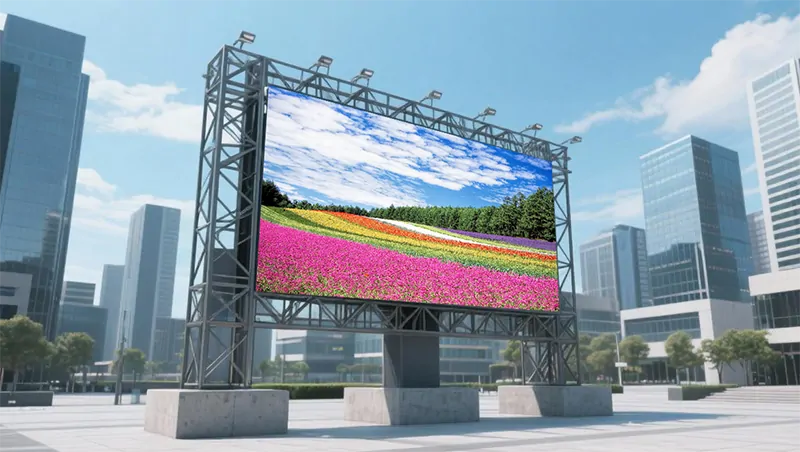
Standard P1.9 panels are designed for indoor use (IP31 rating). For outdoor applications, you'd need P1.9 panels with IP65-rated cabinets, higher brightness (5,000+ nits), and enhanced UV protection. These are available but cost 30–50% more than indoor versions.
Q3: What's the minimum order quantity for wholesale P1.9 LED panels?
Most manufacturers set MOQ at 1–5 sqm for standard models. For custom configurations (non-standard cabinet sizes, specific LED chip brands), MOQ is typically 10–20 sqm.
Q4: How do I ensure color consistency across a large P1.9 video wall?
Request that all panels come from the same production batch with LED chips binned to within ±50K color temperature. Post-installation calibration using a colorimeter (like the X-Rite i1Display) will fine-tune uniformity across the entire wall.
Q5: What control systems are compatible with P1.9 LED video walls?
NovaStar (most popular globally), Colorlight, Linsn, and Brompton are the leading control system brands. NovaStar's MCTRL4K and VX series are the most widely supported by P1.9 panel manufacturers.
Q6: How much does a P1.9 LED video wall cost per square meter?
Wholesale pricing ranges from $550–$1,800 per sqm depending on order volume, LED chip brand, cabinet material, and refresh rate. Rental-grade panels with quick-lock systems are typically 20–30% more expensive.
Q7: What's the difference between front-service and rear-service P1.9 panels?
Front-service panels use magnetic modules that can be removed from the front, allowing wall-flush installation with minimal depth (80–100mm). Rear-service panels require access from behind, needing 400–600mm clearance but offering easier component-level repair.
Q8: Can I install a P1.9 LED video wall myself?
For small installations (under 4 sqm), a competent AV technician can handle it. Larger walls require professional installation including structural assessment, precision leveling, power distribution planning, and system calibration. Budget $150–$300 per sqm for professional installation.
Q9: What warranty should I expect from wholesale P1.9 LED manufacturers?
Industry standard is 2–3 years warranty covering LED chips, driver ICs, power supplies, and receiving cards. Some premium manufacturers offer 5-year warranties. Always clarify whether the warranty covers parts only or includes labor and shipping.
Q10: How do I import P1.9 LED video wall panels from China to the US or Europe?
Work with a freight forwarder experienced in electronics imports. You'll need proper commercial invoices, packing lists, certificates of origin, and compliance documentation (CE/ETL/FCC). Customs duties for LED displays typically range from 0–5% in the US and 0–3.7% in the EU, but verify current tariff schedules as trade policies change.